

Quick Overview
Physical development is the progression of bodily growth and motor skills from infancy to adulthood. Each stage builds on the last, shaping strength, coordination, and overall health. This blog explains how physical abilities evolve and how you can support growth at every stage.
In this blog, you will learn:
✅ How infants develop foundational motor skills like sitting, crawling, and walking.
✅ How early and middle childhood refine balance, coordination, and fine motor abilities.
✅ How adolescence brings puberty, growth spurts, and peak strength development.
✅ How early adulthood represents peak physical capacity and the importance of maintaining fitness.
✅ Practical ways to support healthy growth and encourage active lifestyles across all stages.
Physical development is a fundamental aspect of human growth, referring to the progression of bodily changes and motor skills from infancy through adulthood. This development occurs in predictable stages, each marked by specific milestones and abilities that build upon one another.
Understanding the five main stages of physical development helps parents, educators, and caregivers support a child’s health and well-being at every stage of life. This guide provides a clear overview of each stage, along with real-life examples to illustrate how physical abilities evolve over time.
Infancy (0–2 Years): Rapid Growth and Motor Foundation
Overview:
Infancy is marked by rapid physical growth and the development of basic motor skills. During this stage, babies double or triple their birth weight, grow in height, and begin to gain control over their bodies.
Key Developments:
- Reflexes (grasping, rooting, sucking)
- Head control and trunk stability
- Rolling over, sitting up, crawling
- Pulling to stand and beginning to walk
- Reaching and grasping objects
Examples:
✔ A 6-month-old baby can sit without support for short periods.
✔ By 12–15 months, many babies take their first independent steps.

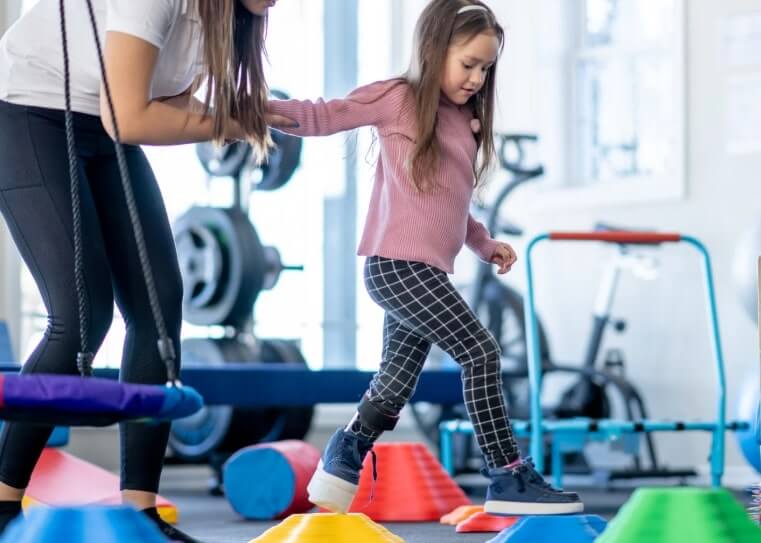
Early Childhood (2–6 Years): Refining Gross and Fine Motor Skills
Overview:
During early childhood, children become more mobile and active. They refine gross motor skills like running and jumping, while also developing fine motor control needed for tasks like drawing or using utensils.
Key Developments:
- Improved balance and coordination
- Running, jumping, climbing
- Catching and throwing balls
- Holding pencils, using scissors
- Increased hand-eye coordination
Examples:
✔ A 3-year-old can climb stairs using alternating feet.
✔ A 5-year-old may begin to write their name and cut along lines with scissors.
Middle Childhood (6–12 Years): Physical Maturity and Coordination
Overview:
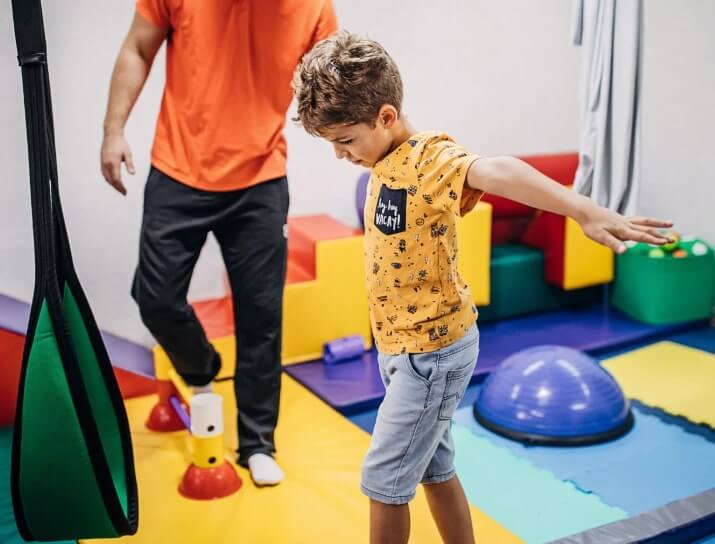
This stage features steady growth and increased muscular strength, with children developing better coordination, agility, and endurance. Physical skills become more refined and complex.
Key Developments:
- Growth in height and weight
- Stronger muscles and bones
- Mastery of skills like swimming, cycling, and sports
- Improved reaction time and spatial awareness
- Better fine motor precision for writing and crafts
Examples:
✔ An 8-year-old can ride a two-wheeled bicycle confidently.
✔ A 10-year-old plays organised sports and writes in cursive.
Adolescence (12–18 Years): Puberty and Peak Growth
Overview:
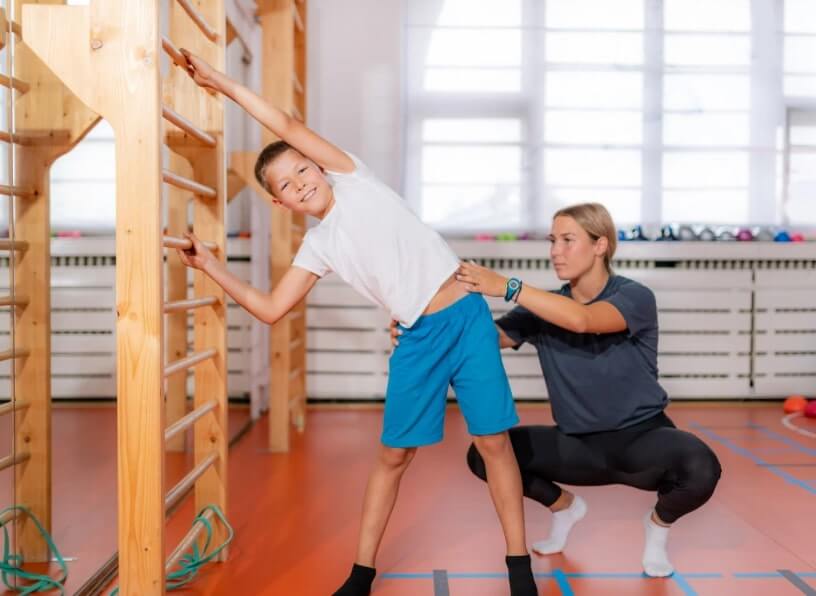
Adolescence is defined by puberty and rapid changes in body composition, including increased height, weight, and the development of secondary sexual characteristics. Hormonal changes significantly influence physical and emotional development.
Key Developments:
- Growth spurts
- Increased muscle mass (especially in males)
- Breast development and menstruation (females)
- Voice changes (males)
- Greater strength, speed, and endurance
Examples:
✔ A 13-year-old boy may experience a deepening voice and a growth spurt.
✔ A 15-year-old girl may participate in competitive sports, showing improved strength and stamina.
Early Adulthood (18–40 Years): Physical Peak and Maintenance
Overview:
This stage represents the peak of physical performance, with optimal strength, coordination, and cardiovascular health. The focus shifts to maintaining physical health through regular activity and nutrition.
Key Developments:
- Peak bone density and muscle strength
- Full development of motor coordination
- High energy levels and stamina
- Subtle declines in reaction time (toward later years)
Examples:
✔ A 25-year-old adult may run marathons or engage in intense physical activities.
✔ A 35-year-old maintains physical health through regular exercise and balanced nutrition.
Final Thoughts
Physical development follows a predictable pattern but varies slightly for each individual. From a newborn learning to hold their head up to an adult maintaining fitness, each stage builds upon the last.
🚀 Key Takeaways:
✔ Infancy focuses on foundational motor skills.
✔ Early and middle childhood refine mobility, balance, and coordination.
✔ Adolescence brings rapid growth and puberty.
✔ Early adulthood is the peak of physical capacity and maintenance.
By understanding these stages, we can support healthy growth and encourage active lifestyles at every development phase.